

How to choose and style Afro-Bohemian and tribal rugs
How to choose and style Afro-Bohemian and tribal rugs
If you’ve been looking into Afro-Bohemian interiors – one of the big interior trends for 2026 – you’ve probably noticed how often everything comes back to the rug. Take a look next time you’re pinning your favourite looks on Pinterest or scrolling through Instagram – the rug is often the piece that sets the tone for the whole space.
Tribal and African-inspired rugs bring in pattern and texture in a way that feels cosy and comforting rather than chic and decorative. For most people, that’s probably why this is such an enduring trend, giving a stylish look but without making a room feel stark or cold.
What people mean by Afro-Bohemian or tribal rugs
When people talk about Afro-Bohemian rugs, also called tribal rugs, they’re usually referring to pieces that draw on traditional African textiles alongside more relaxed, bohemian styling. That means handwoven rugs with geometric or symbolic patterns, made using natural materials like wool or cotton. There’s often tufting or fringing on the edge of a rug, or a textured weave. You might notice small irregularities in the weave or pattern, which tend to be part of the appeal rather than something to avoid.
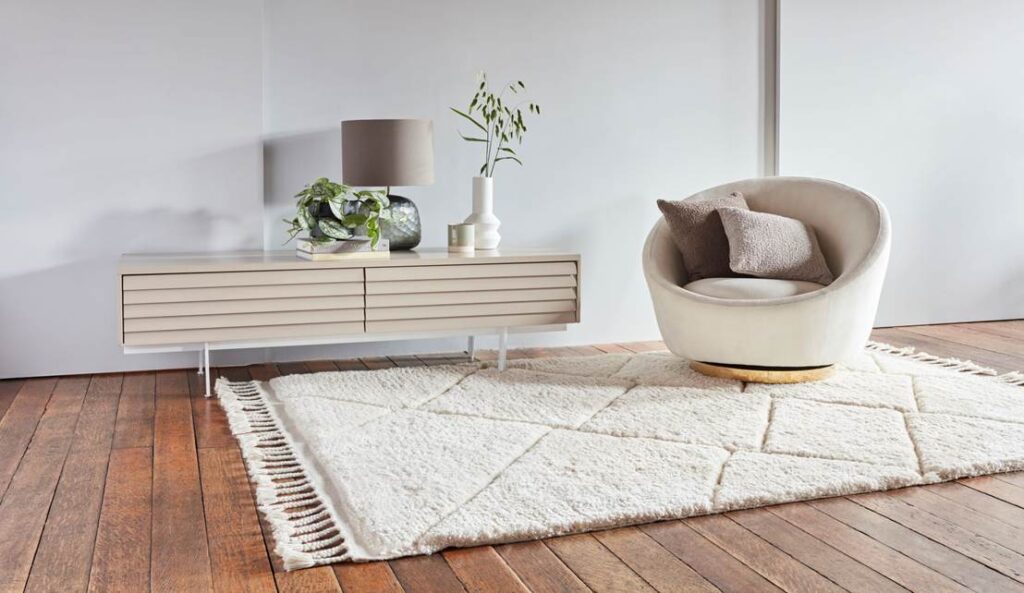
We love this design, called ‘Fes’ from the rug brand Asiatic – you can see how it brings in the welcoming ‘sit down and relax’ vibe. Imagine rugs that make you want to sink your toes into them after you find something perfect to watch on TV, light a few candles and settle in for the evening! Bohemian style is all about lived-in, comfortable spaces, so you want the rug to be part of that.
Picking the colour and material
When you start browsing tribal rugs, you’ll notice that they sit within a restrained palette, which is part of why they work in so many spaces. You’ll see a lot of warm neutrals, darker tones like brown and charcoal and earthy colours such as terracotta or ochre. There are some fun exceptions to the rule, such as this gorgeous design from Liv Interiors in a lilac and orange or pink and lemon colour way.
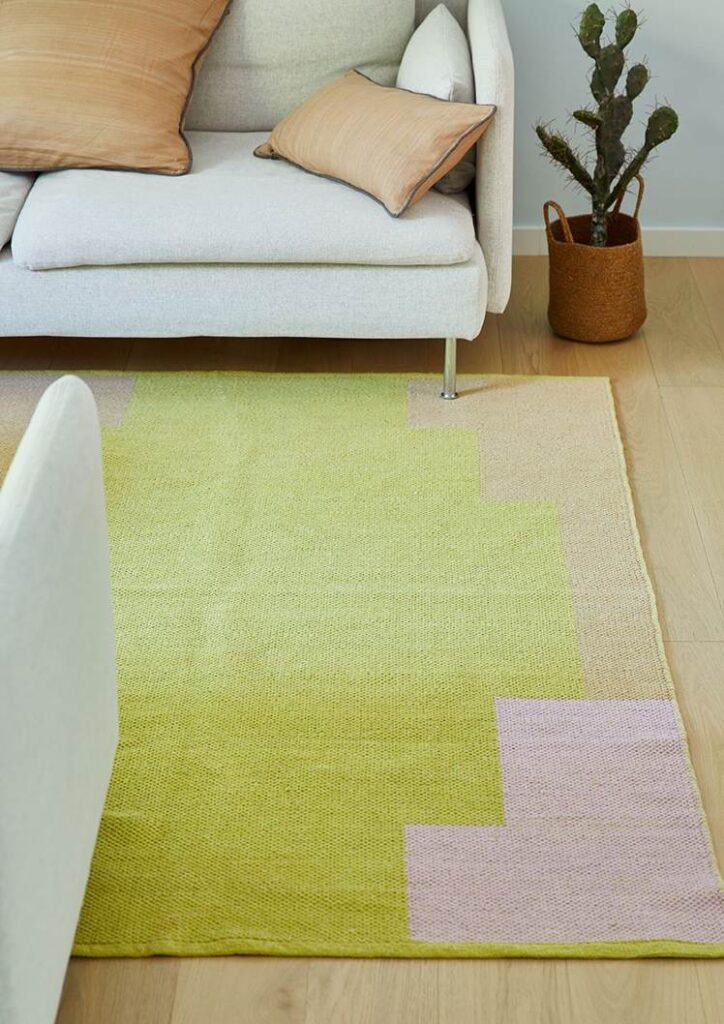
Because the colours are relatively subdued (bar some exceptions!), the pattern doesn’t feel overwhelming. That calmer feeling from the rug still helps deliver the welcoming look and feel you want, and it gives you a bit more flexibility when you’re styling the rest of the room.
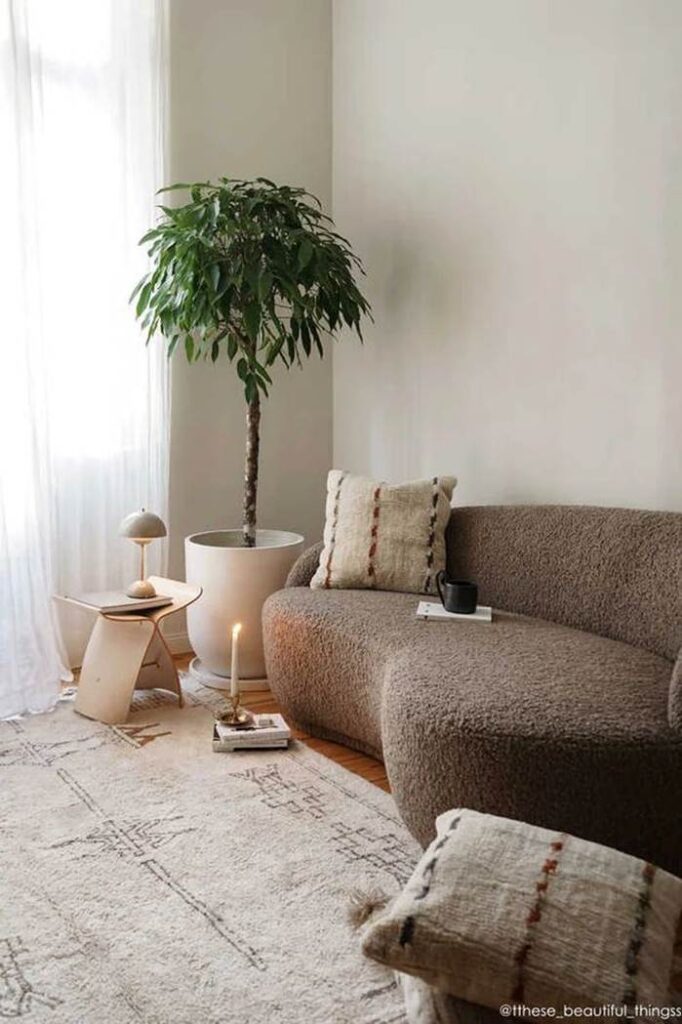
In terms of material, wool and cotton are the most common and definitely deliver the cosiness you’re after. Some rugs will include jute or other plant fibres, which can give a slightly drier, more textured finish underfoot. The Nomad Kerman rug from Lorena Canals is soft and cosy underfoot and made from a washable cotton weave, so you can throw it in the machine if it gets grubby.
Why the rug tends to lead the room
One thing that comes up a lot with this style is that the rug often does most of the visual work.
It helps define where things sit, especially in open-plan spaces, and gives you a clear starting point for everything else. Instead of adding pattern across multiple elements, you can concentrate it in one place and let other pieces support it. That usually leads to a space that feels more balanced and easier to live with day to day.
Choosing the right Afro-bohemian rug
A good place to start is scale. If the rug is too small, it can feel a bit disconnected from the furniture so in living areas, it generally works better when it sits at least partially under key pieces like the sofa or chairs. Plus, you want to make sure you’re making the room feel cosy and somewhere that people might sit on the rug or a floor cushion to relax, so it’s worth going extra-large to create that space.
Contrast is another thing to think about. If your room is quite neutral already, a rug with darker patterning can help give it some structure. If there’s already a lot going on, something more neutral might look better, and give you a chance to add more accessories. Texture also plays a part, and flatweave rugs tend to feel more structured and pared back, while heavier weaves, which lots of tribal rug designs are, add a bit more softness and depth. It depends on how you want the space to feel overall and how you tend to use it!
How to style tribal rugs at home
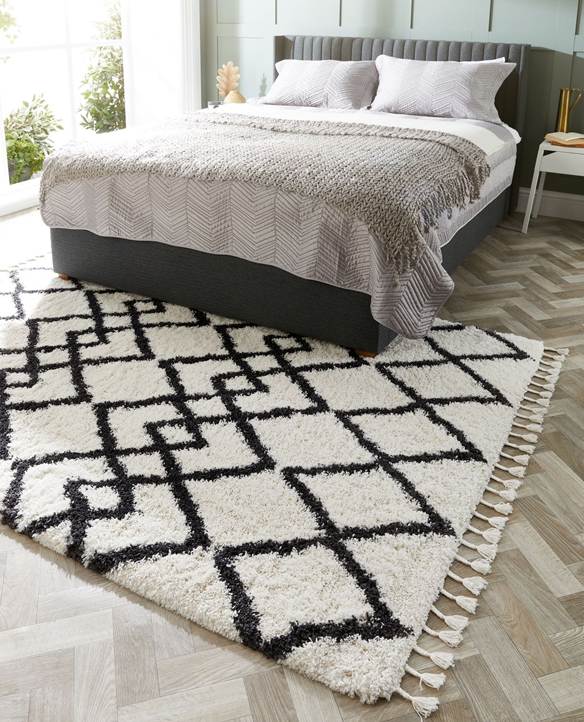
Once the rug is down, the rest tends to fall into place more easily. Keeping larger pieces simple helps, so look for neutral sofas, wooden furniture and plain walls to give the rug space to stand out without competing with it. From there, you can pick up one or two tones from the rug and bring them in by adding cushions or throws. The bold design of this Origin rug, called Morocco Ivory, works well with the more pared back aesthetic of this bedroom.
It’s also worth mixing materials rather than adding more patterns, especially when you’re choosing accessories like side tables, plant containers, vases and photo frames. Woven fibres, baskets, macrame, ceramics and wood all work well alongside tribal rugs and add interest without making the room feel crowded.
Leaving some space around your key pieces helps with the relaxed feel of Afro-Bohemian style as well. Not every area needs to be filled, you don’t need things to match perfectly, and a bit of breathing room can make everything feel more considered. Adding a few plants, especially houseplants that add some interest, texture and different heights, can add interest and tie in nicely with the natural materials.
If it’s overdone, the Afro-Bohemian style can look quite layered, but keeping it simple has lots of benefits. For one it means it’s easier and more affordable to inject into your home if you start with a few carefully chosen accessories rather than changing out the whole room! Starting with a tribal rug will give you a clear foundation, and from there it becomes a case of adding pieces that sit naturally alongside it, like cushions, throws and some macrame plant holders.
If you decide to bring this trend into your home, make sure you have a good look through our tribal and Berber rugs on the website. There’s a design, colours, style and size for every room and you’ll get some inspiration on how to style them too. And don’t forget to tag us into your images if you share snaps on social media!